Why Your Dormant Omics Data Is Worth More Than the Data You’ll Generate Next – Part 2
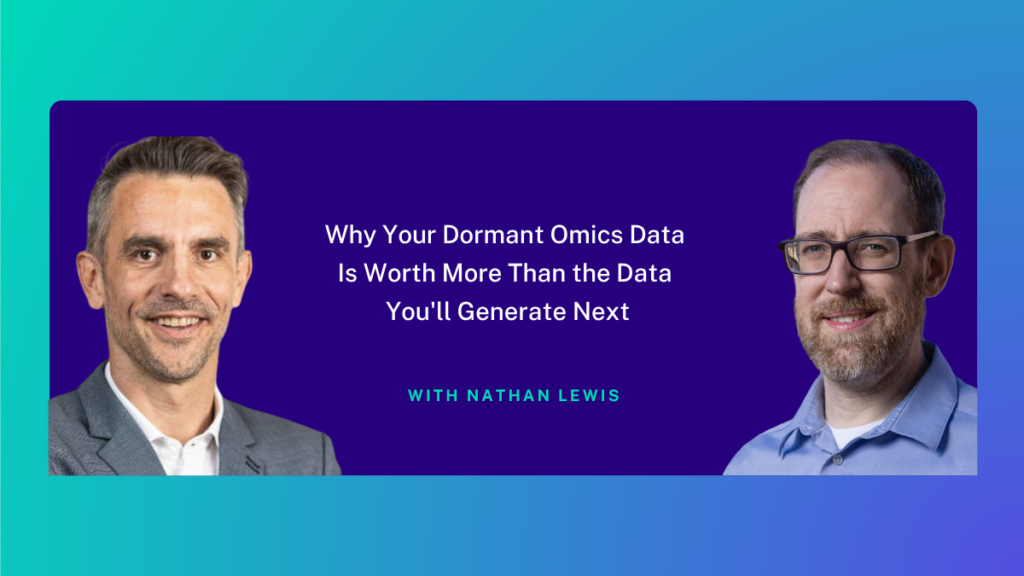
What does it take to crack the code of protein production—and why do some proteins stubbornly refuse to cooperate, despite the best efforts of scientists and engineers?
Why Your Dormant Omics Data Is Worth More Than the Data You’ll Generate Next – Part 1
Somewhere in your lab, a hard drive is quietly storing omics data that hasn’t seen the light of day in years—genome sequences, metabolomics runs, scribbled notes in aging ELNs.
Your Bioprocess Data Already Holds 35% More Yield: From End-to-End Models to Digital Twins – Part 2
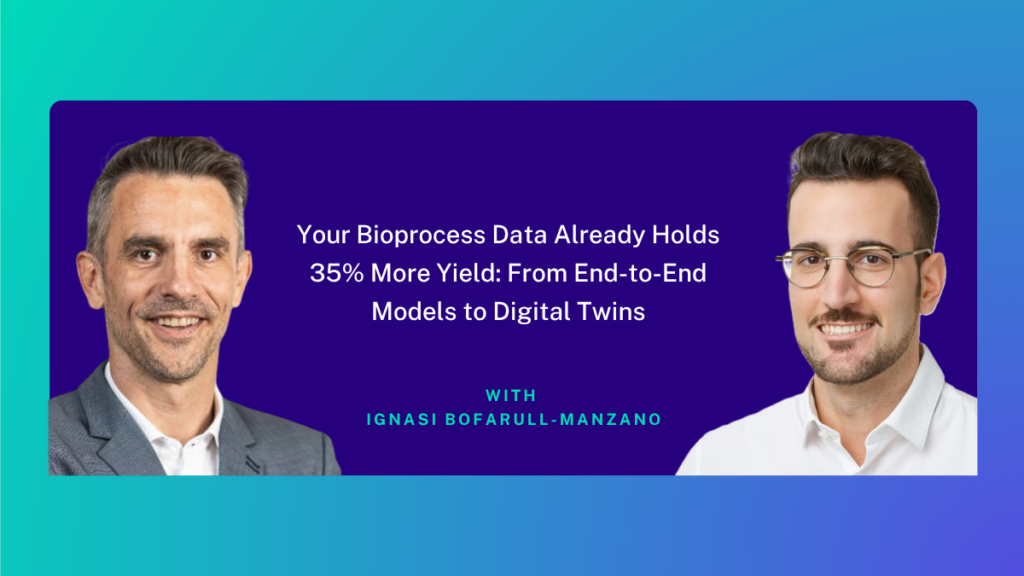
Leveraging digital models and AI-powered tools can make all the difference for both R&D and manufacturing, but finding the right starting point—and justifying the investment—can feel overwhelming.
Your Bioprocess Data Already Holds 35% More Yield: From End-to-End Models to Digital Twins – Part 1
Is your bioprocess development stacked with siloed data, endless spreadsheets, and a constant battle to identify where to start your digital transformation?
Why AI and Automation Tools Won’t Deliver Until Your Lab’s Data Is Connected – Part 2

What separates labs with truly connected, AI-ready data from those drowning in digital chaos?
Why AI and Automation Tools Won’t Deliver Until Your Lab’s Data Is Connected – Part 1
What if the real bottleneck in biotech labs isn’t equipment, talent, or even funding—but a silent issue lurking in plain sight: fragmented data?
From 10,000 Structures to 1.8 Billion Interactions: Breaking the Data Bottleneck to Engineer Efficacious Therapeutics – Part 2
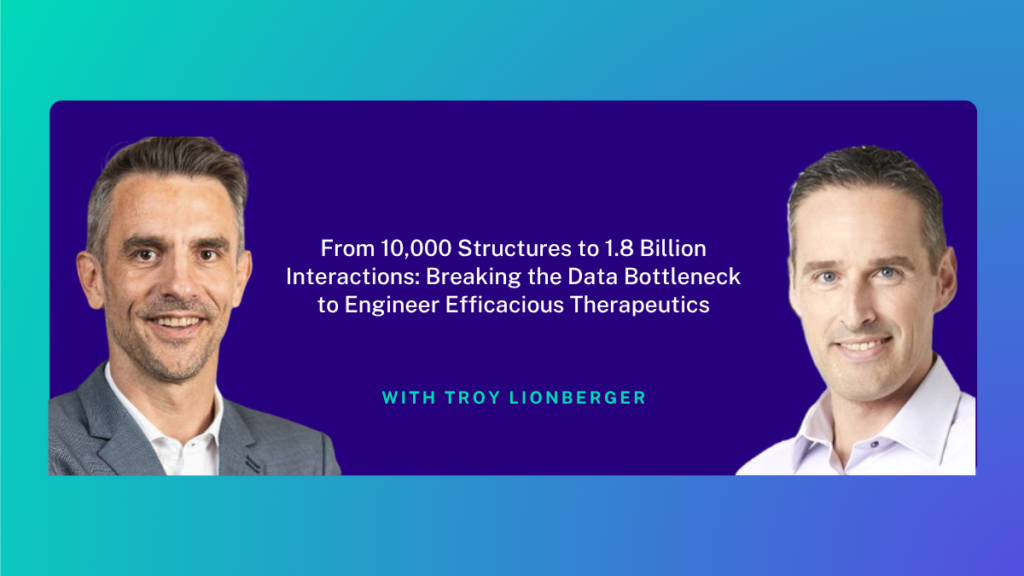
For years, protein engineering has struggled with a fundamental bottleneck: machine learning models, powerful as they are, have been starved of meaningful data.
From 10,000 Structures to 1.8 Billion Interactions: Breaking the Data Bottleneck to Engineer Efficacious Therapeutics – Part 1
Antibody therapeutics have transformed modern medicine, but for many scientists, developing new candidates still feels like searching for a needle in a haystack—a slow, expensive, and unpredictable process.
From Data Silos to Autonomous Biomanufacturing: Digital Twins and AI-Driven Scale-Up – Part 2
AI won’t replace your bioprocessing team—but it will make them more indispensable than ever.
From Data Silos to Autonomous Biomanufacturing: Digital Twins and AI-Driven Scale-Up – Part 1
What if the secret to reliable, real-time bioprocessing isn’t buried in another wet-lab experiment, but hiding inside your data—waiting for the right digital ally?